
Introduction: The Unacceptable Intersection of Power and Prejudice
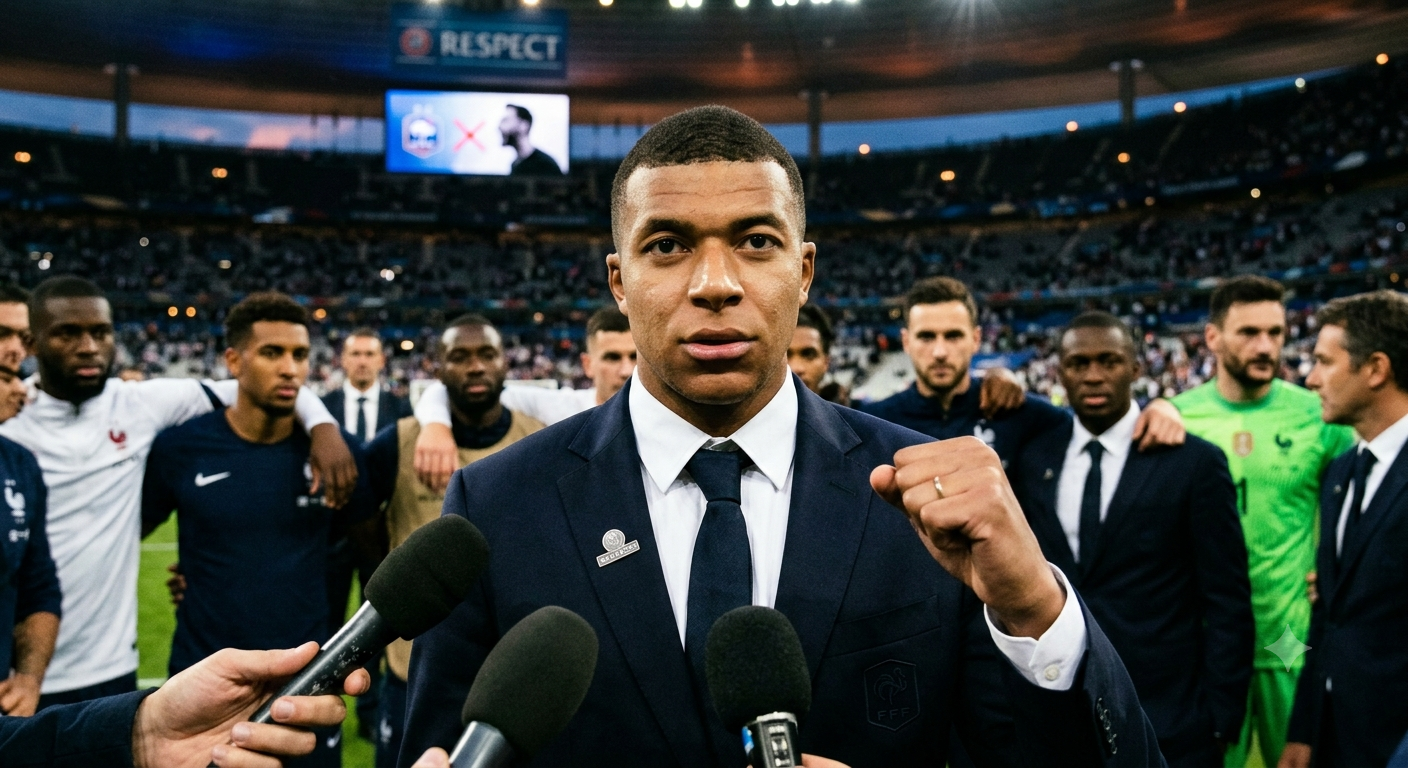
In the high-stakes world of professional football, Kylian Mbappé has long been recognized as a force of nature—a player whose speed, precision, and tactical intelligence define the modern game. However, in recent days, his influence has been measured not by goals scored or trophies hoisted, but by his principled stand against bigotry. Following a public and inflammatory racist attack directed at him by a Paraguayan senator, Mbappé has publicly condemned the official, turning a spotlight on the persistent scourge of racism that continues to permeate even the highest echelons of global discourse.
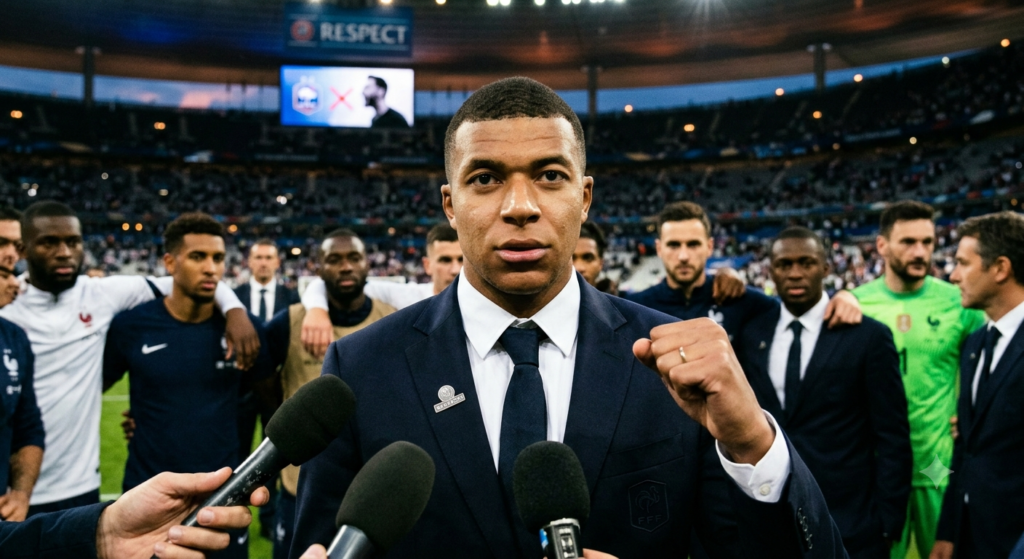
This incident serves as a stark reminder that even the world’s most celebrated athletes are not immune to the toxic reach of discrimination. When a political figure, entrusted with public representation, uses their platform to launch racial attacks, it transcends the boundaries of political debate and enters the realm of systemic harm. Mbappé’s firm response is more than a personal defense; it is a declaration that the football community will no longer remain silent in the face of intolerance.
The Anatomy of the Attack: When Rhetoric Turns Hostile
The controversy began when a Paraguayan senator issued public remarks that targeted Mbappé’s identity. The comments, which have been widely labeled as racist, utilized discriminatory language that ignored the athlete’s professional accomplishments to focus solely on his heritage. By reducing an individual to their race, the senator’s rhetoric violated the fundamental principles of equality that sports organizations—and indeed, civil societies—strive to uphold.
The Danger of Political Platforming
When an elected official utilizes racist tropes, the consequences are far-reaching:
- Normalization of Hate: Such language risks legitimizing discriminatory views among the public, potentially emboldening others to act on hateful impulses.
- Erosion of Public Trust: Political figures are expected to represent all constituents and promote social cohesion; violating this trust damages the integrity of the institutions they serve.
- Psychological Impact on Athletes: While professional athletes are often trained to handle pressure, targeted racial attacks create an environment of hostility that affects mental well-being and performance.
Mbappé’s Firm Response: Setting the Standard for Accountability
Kylian Mbappé’s reaction to the senator’s remarks was characterized by a blend of righteous indignation and composed authority. Rather than allowing the incident to pass quietly, Mbappé hit back, explicitly condemning the “despicable” nature of the comments. His response was deliberate, signaling that he views this not merely as an insult, but as an affront to the values of inclusivity that football is meant to foster.
Why Silence Was Never an Option
Mbappé’s decision to speak out is a testament to the evolving role of the modern athlete. In previous generations, players were often encouraged to “stick to sports.” Today, icons like Mbappé understand that silence can be interpreted as complicity. By calling out the senator, he is:
- Defining Boundaries: Clearly stating that racial abuse—regardless of the source—is intolerable.
- Mobilizing Support: Rallying fans, fellow players, and international governing bodies to acknowledge the severity of the offense.
- Leading by Example: Demonstrating to younger generations of players that they possess the right to demand respect and dignity, even when faced with power imbalances.
The Broader Implications for Football and Global Society
The fallout from the Paraguayan senator’s comments has extended far beyond the immediate circle of football news. It has triggered an international dialogue regarding the responsibility of public officials in preventing racial discrimination.
Accountability Beyond the Pitch
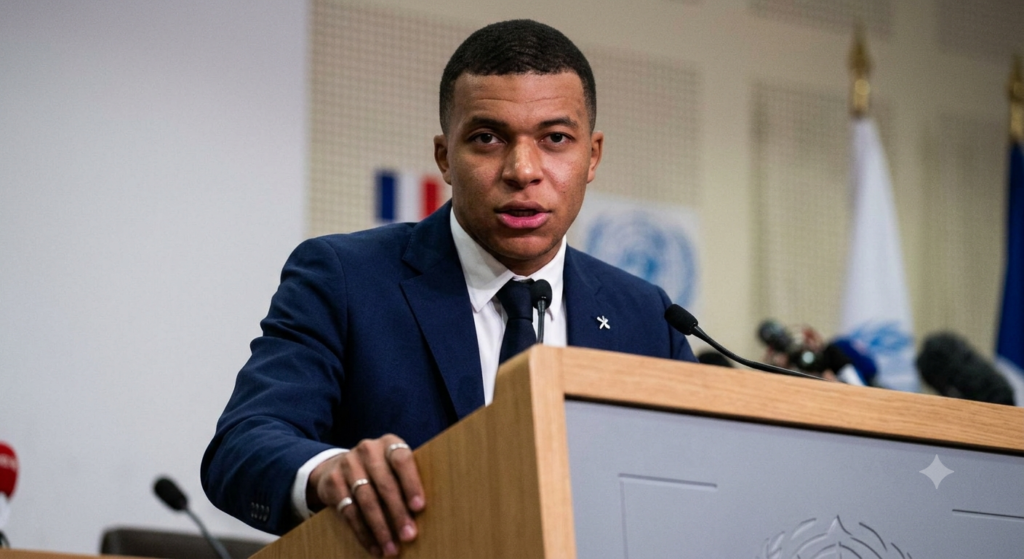
While FIFA and other football governing bodies have spent years developing protocols to combat racism within stadiums, the challenge of addressing racism from government officials remains a complex legal and ethical hurdle.
- Institutional Accountability: International organizations are under increasing pressure to demand apologies and condemnations from government entities when their representatives engage in such behavior.
- The Power of Collective Action: Mbappé’s stand has galvanized widespread condemnation, proving that when high-profile figures unite against racism, they create a cultural shift that is difficult for even the most entrenched institutions to ignore.
- Global Solidarity: The response has highlighted a global consensus: racial abuse directed at athletes is fundamentally unacceptable and must carry tangible social and political consequences.
The Intersection of Athletics and Social Justice
Kylian Mbappé sits at the center of an intersection where athletics meets social justice. Throughout his career, he has navigated the complexities of being a global icon while maintaining a grounded perspective on issues of identity and belonging. This latest incident is consistent with his broader commitment to using his voice for the common good.
Defining the Modern Athlete
The modern athlete is no longer just a spectator to societal issues; they are active participants in shaping the discourse. When Mbappé hits back at a senator, he is not just defending his own name; he is defending the integrity of the sport itself. He recognizes that racism undermines the meritocracy of football—a game that, in its ideal form, allows talent to transcend boundaries.
Conclusion: A Clear Message for the Future
Kylian Mbappé’s condemnation of the Paraguayan senator is a pivotal moment in the ongoing battle against racial intolerance. By labeling the behavior as “despicable” and standing firm against such rhetoric, Mbappé has reminded the world that while football is a game, the principles behind it are serious and non-negotiable.
The incident highlights the urgent need for a higher standard of conduct among public figures worldwide. If the sports world is expected to maintain high ethical standards, it is only reasonable to demand the same from those in political office. Mbappé’s leadership in this situation serves as a beacon of progress, reminding us that every voice raised against hate brings us one step closer to a more inclusive world. As the dust settles on this controversy, the message remains loud and clear: respect is not a request; it is a standard that must be upheld, on and off the field.
References
- Content based on the user’s provided summary of events regarding Mbappé’s response to the Paraguayan senator’s remarks.


Leave a Reply