

Introduction: The End of a Dream
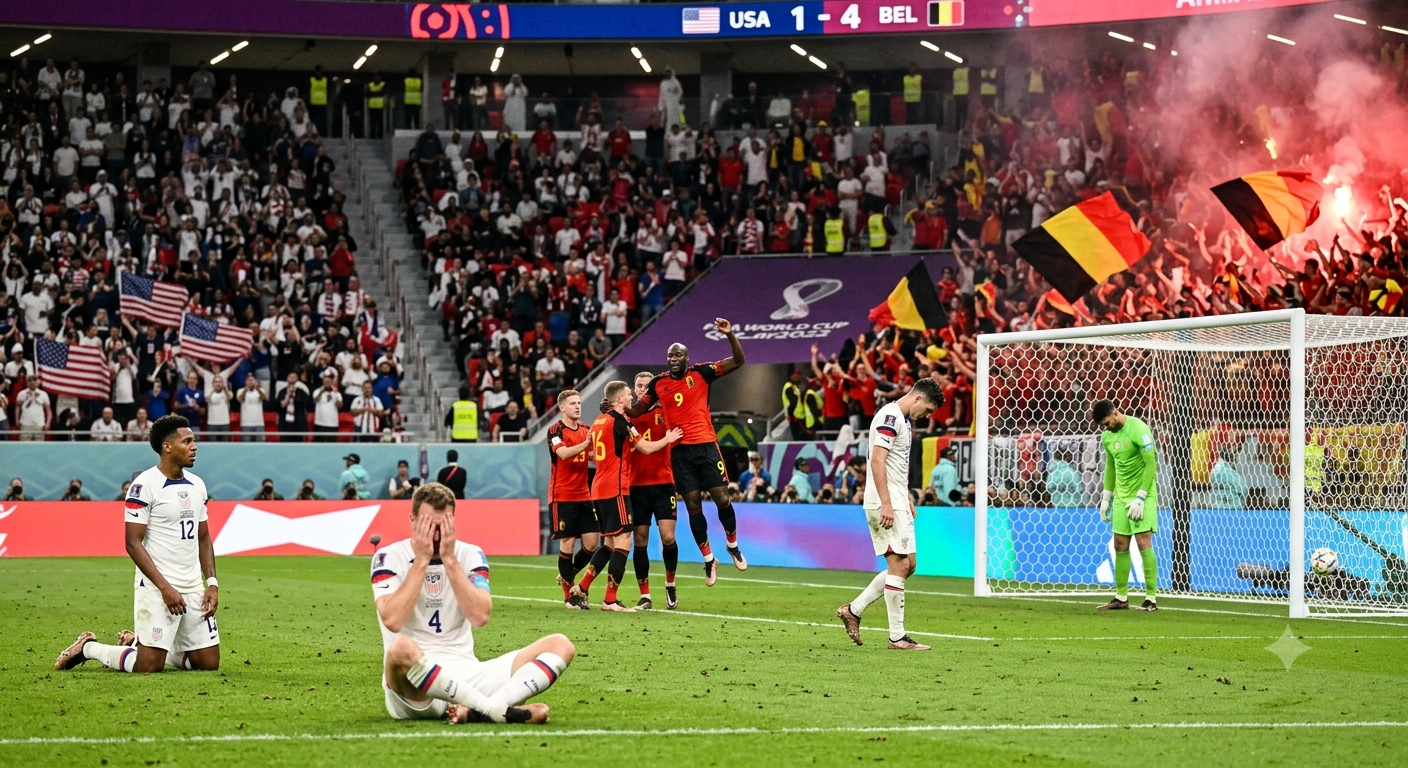
The hopes and aspirations of a nation, fueled by years of development and expectation, have come to a jarring and painful halt. The United States’ journey in the 2026 World Cup has officially concluded following a devastating 4-1 defeat at the hands of a clinical Belgium side. What was billed as a pivotal moment for American soccer ended in a display of tactical and individual frailty that left fans and analysts alike struggling to process the scale of the collapse.
In the high-stakes environment of a World Cup knockout stage, margins are razor-thin. However, the performance put forth by the U.S. side was not undone by narrow margins, but by a series of unforced defensive errors that turned a competitive fixture into an embarrassing rout. As the dust settles on this exit, it is time to examine the failures, the tactical disconnects, and the harsh reality of what it means to compete at the highest level of international football.

The Anatomy of the Collapse
To understand how a promising campaign ended in a 4-1 scoreline, one must look at the structural disintegration of the U.S. defensive unit. Belgium, a team known for its efficient transitions and clinical finishing, did not have to work exceptionally hard to find the back of the net; the opportunities were, in many ways, gifted to them.
Defensive Nightmares
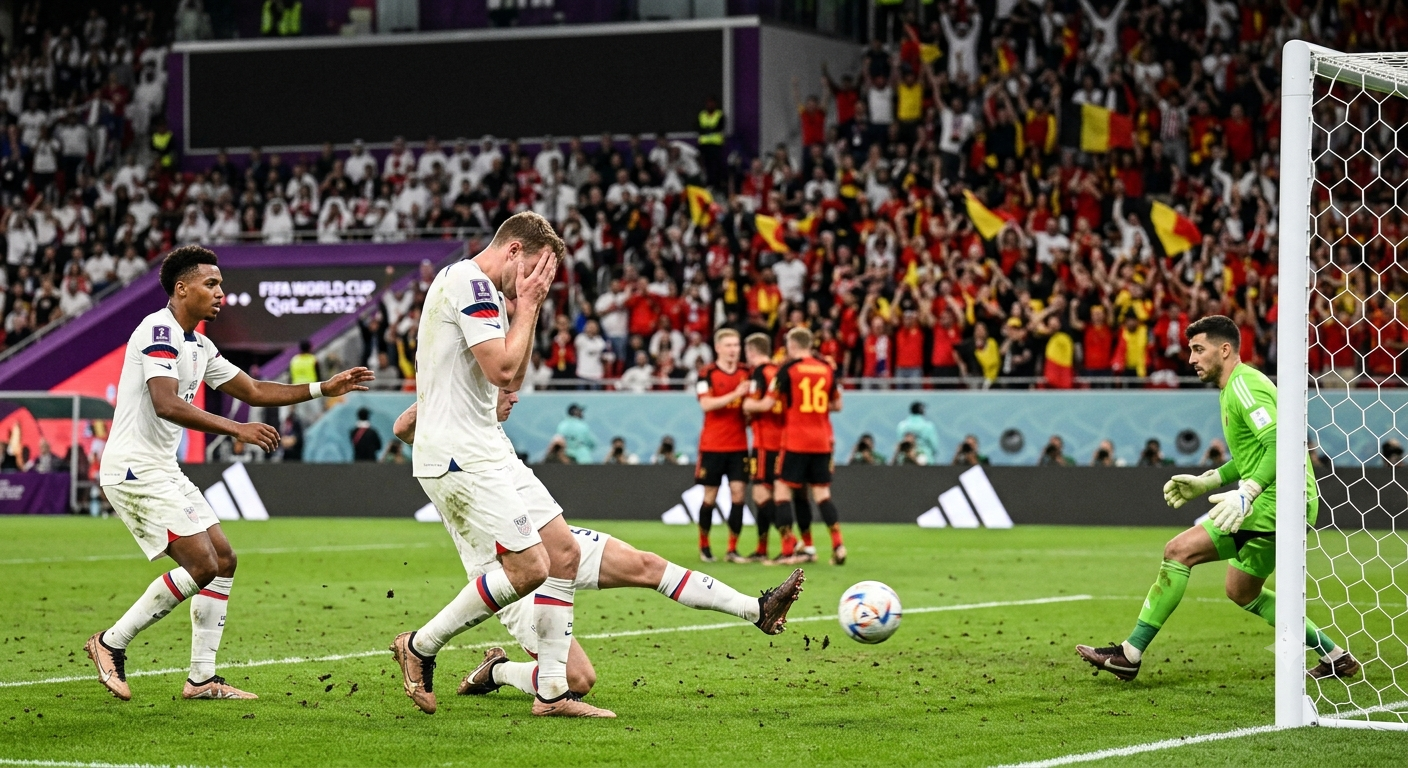
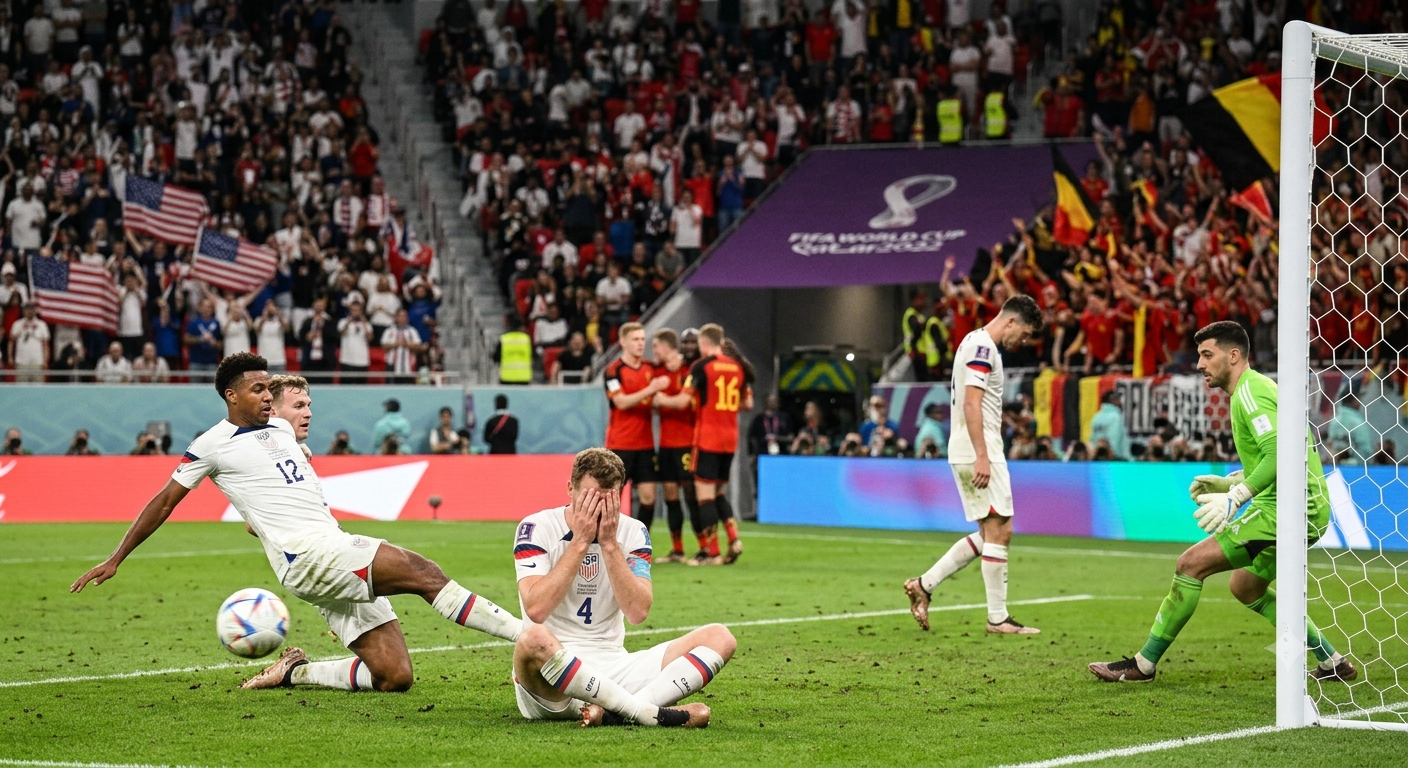
The match was defined by individual blunders that undermined the team’s collective game plan. From miscommunications in the backline to errant passes in dangerous zones, the U.S. defensive unit looked uncharacteristically nervous and disorganized.
- Communication Breakdowns: The lack of synergy among the center-back pairing led to several instances where Belgian attackers found themselves unmarked in high-leverage positions.
- Transition Failures: Each time the U.S. attempted to push forward, the lack of defensive cover left the team exposed to rapid counter-attacks, which Belgium exploited with ruthless precision.
- Psychological Stagnation: Following the initial Belgian breakthrough, the U.S. team appeared to lose its composure, leading to a cascade of errors that effectively sealed their fate well before the final whistle.
Tactical Disconnect: The Belgium Masterclass
While the defensive blunders provided the headlines, the tactical setup also played a critical role in the outcome. Belgium’s strategy was clear: absorb pressure, maintain a compact shape, and strike through the gaps created by the U.S. team’s aggressive but poorly timed pressing.
Clinical Execution
Belgium showcased exactly why they remain a formidable force on the international stage. Their ability to capitalize on defensive lapses turned each error into a crisis for the Americans. By the time the fourth goal hit the back of the net, the match had transitioned from a contest into a statement of superiority by the European side.
The Road Ahead: Lessons from an Exit
An exit at this stage, particularly in this fashion, necessitates a difficult period of introspection for U.S. Soccer. The embarrassment of the 4-1 scoreline serves as a sobering reminder of the gap that still exists between the U.S. and the global elite.
Rebuilding and Accountability
- Defensive Fundamentals: The primary takeaway must be a return to the basics of defensive shape, communication, and individual responsibility in one-on-one situations.
- Tactical Maturity: The U.S. team must develop the ability to manage the ebbs and flows of a knockout match, particularly when the opponent adjusts their pressure.
- Managing Expectations: While the growth of the program has been undeniable, this result highlights that tournament-level consistency requires a level of poise that was notably absent in the loss to Belgium.

Conclusion: A Bitter Pill to Swallow
The final whistle in the match against Belgium marks a definitive end to the U.S. World Cup campaign, leaving a void where a deeper run was once envisioned. While the pain of an “embarrassing” defeat is significant, it serves as the catalyst for the next phase of the program’s development.
The journey to the top of the mountain is rarely linear. For the United States, this 4-1 loss will be remembered as a dark chapter, but one that provides a clear blueprint for the areas requiring immediate and thorough improvement. The dream ends here, but the work—necessary, difficult, and urgent—begins anew.









Leave a Reply