
Introduction: When the Stadium Meets the Political Arena
In the modern era of professional sports, the influence of a global icon like Kylian Mbappé extends far beyond the confines of the football pitch. As a figurehead for both French football and global sports culture, Mbappé has consistently used his platform to advocate for progress, inclusivity, and respect. However, his most recent confrontation was not with a opposing defender, but with the unacceptable rhetoric emerging from the halls of power in South America.
The recent incident, involving a Paraguayan senator who directed racist remarks toward the French captain, has ignited a firestorm of condemnation across the international community. Mbappé, known for his composed and professional demeanor, chose to fire back, not with vitriol, but with a firm, uncompromising stance that highlights the urgent need to dismantle racism in all its forms. This article explores the gravity of the situation, the power of Mbappé’s response, and the broader implications for accountability in the public sphere.
The Genesis of the Controversy
The controversy erupted following comments made by a Paraguayan senator regarding the French national team. In a public forum, the senator utilized discriminatory tropes that targeted Mbappé’s heritage and identity. These remarks were not merely personal insults; they were a violation of the fundamental principles of equality and human dignity that sports organizations like FIFA and UEFA strive to promote.
The Impact of Rhetoric
Racism, when endorsed or utilized by individuals in positions of political authority, carries a dangerous weight. It legitimizes prejudice, emboldens those who hold discriminatory views, and creates an environment where athletes—particularly those of color—are treated as “others” rather than as human beings. By targeting Mbappé, the senator did more than attack a player; he insulted the millions of fans worldwide who look up to him as a symbol of achievement and character.
Mbappé’s Response: Dignity in the Face of Hate
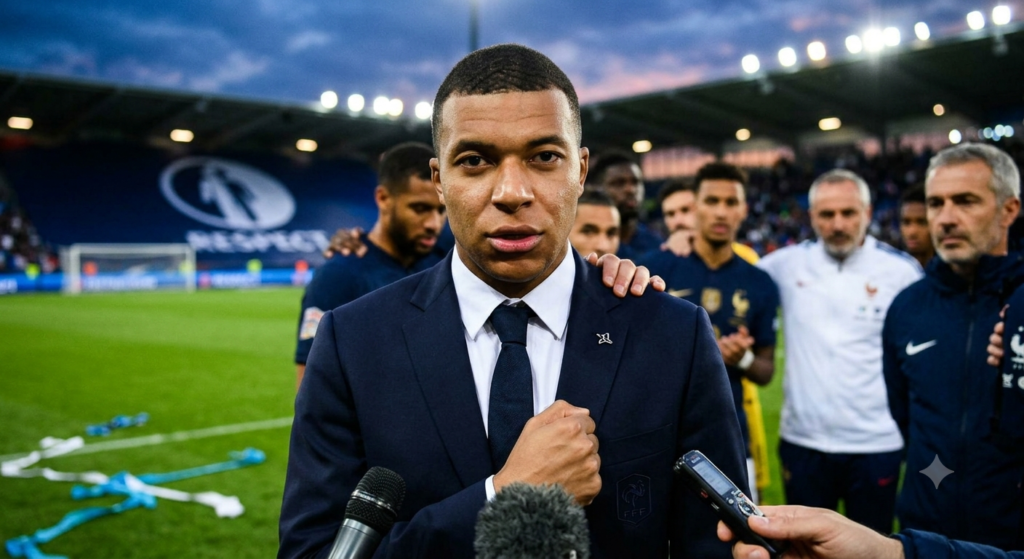
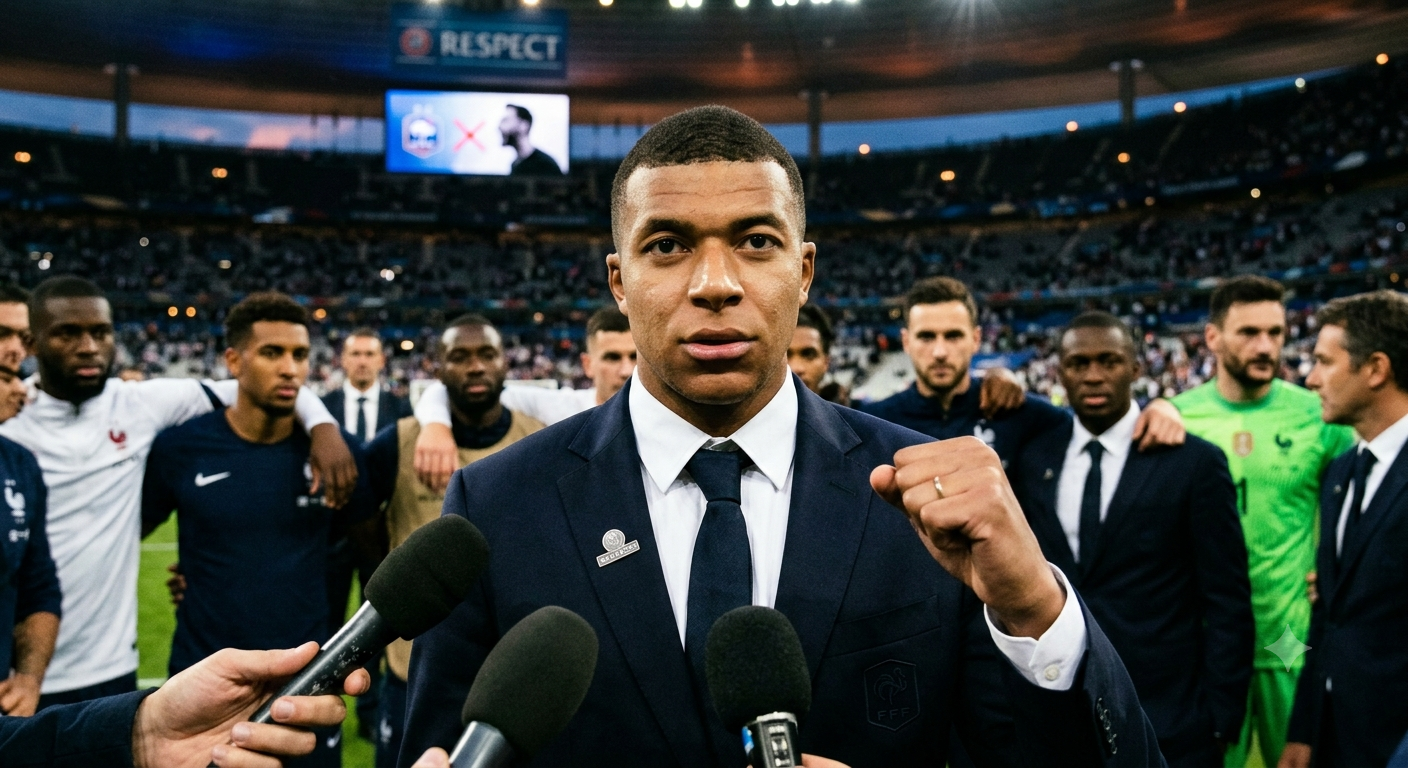
Kylian Mbappé’s reaction was measured, powerful, and swift. Rather than engaging in a heated back-and-forth, he addressed the issue with the gravity it deserved. His public statement emphasized that sport should be a bridge, not a tool for division.
Key Tenets of his Stance:
- Unwavering Self-Respect: Mbappé made it clear that while he respects the office of political leadership, he will never tolerate behavior that infringes upon his dignity or the dignity of his peers.
- A Call for Accountability: His response urged institutions to take a stand against racist rhetoric, arguing that figures in the public eye have a responsibility to foster unity rather than sow discord.
- Focus on Global Inclusivity: By speaking out, Mbappé reinforced the message that football belongs to everyone, regardless of nationality, race, or background.
Why Accountability Matters in Public Office
The backlash against the Paraguayan senator has been swift and international. When a politician engages in racist behavior, it creates a crisis of credibility. Public officials are expected to represent all citizens and uphold standards of conduct that protect marginalized groups.
The Role of International Bodies
This incident has reignited the debate regarding how international bodies should handle discrimination. While FIFA has made significant strides in combating racism on the pitch through its “No to Racism” campaigns, the challenge remains when such comments originate outside the stadium. Mbappé’s vocal rejection of these comments serves as a catalyst for:
- Stricter Codes of Conduct: Pressure on governing bodies to impose sanctions even when incidents involve non-sports officials who target athletes.
- Cultural Sensitivity Training: A renewed push for leaders to undergo training that addresses the impact of discriminatory language.
- Support for Athlete Activism: Protecting athletes who choose to speak up against injustice, ensuring they are supported by their clubs, federations, and sponsors.
The Intersection of Sports and Society
Mbappé is part of a generation of athletes—alongside peers like Marcus Rashford and Vinícius Júnior—who understand that their influence can effect real-world change. Racism in sports is often a reflection of larger societal issues, and by confronting the Paraguayan senator, Mbappé has highlighted that these problems do not disappear simply because the referee blows the whistle.
The Power of the Platform
When an icon like Mbappé speaks, the world listens. His ability to draw attention to this incident ensures that the Paraguayan senator’s remarks are not swept under the rug. It forces a conversation about the nature of power, the influence of political figures, and the persistent scourge of racial intolerance in 2026.
Conclusion: A Turning Point for Inclusivity
The confrontation between Kylian Mbappé and the Paraguayan senator is a stark reminder that the fight against racism is ongoing. While Mbappé’s skill on the field has always been undeniable, it is his courage off the field that solidifies his place as a true leader of his time. By refusing to stay silent, he has set a precedent for others to follow.
The international community must continue to hold those in positions of power accountable for their words. Intolerance has no place in sport, in politics, or in society. As we move forward, the legacy of this incident should not be the hateful words uttered, but the collective, resolute demand for a world where athletes and citizens alike are judged by their character rather than their background. Kylian Mbappé has done his part; now, it is up to the rest of the world to ensure that the standards he upholds are the ones that define our future.


Leave a Reply